


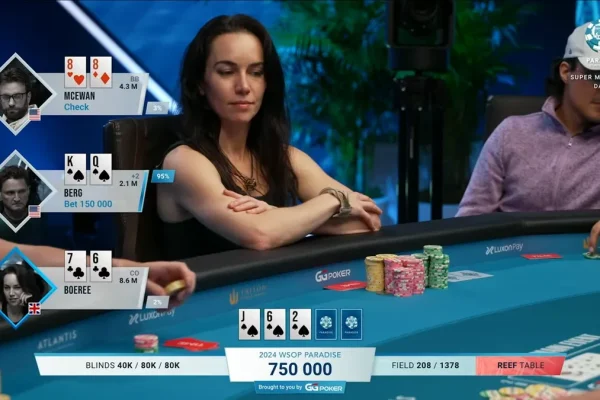


There’s a certain electricity in the air at the high-limit baccarat room. The plush velvet ropes, the hushed tones, the quiet shuffle of cards—it’s a world apart from the clamor of the main casino floor. Here, the stakes aren’t just financial. They’re psychological, social, and steeped in a tradition of unspoken rules. Playing baccarat for serious money isn’t just about knowing the odds on Banker or Player. It’s about navigating a delicate dance of mind and manner. Let’s pull back the curtain.
The Mind Game: Psychology at the Felt
Honestly, anyone can learn the three-card rule. The real battle is internal. High-stakes play amplifies every psychological quirk you have. Understanding that—in yourself and others—is your true edge.
The Illusion of Control and Superstition
Baccarat is essentially a coin flip with fancy trappings. Yet, at high limits, players (and even onlookers) cling fiercely to rituals. Blowing on cards, sitting in a “lucky” spot, tracking shoes with complex diagrams—these aren’t just quirks. They’re a psychological crutch against randomness. The brain desperately wants to find patterns, to believe our actions influence the outcome. In this rarefied air, superstition isn’t silly; it’s a coping mechanism. The savvy player acknowledges this urge without being enslaved by it.
Emotional Tilt and the High-Roller Ego
Here’s the deal: losing a hand at $100 a pop stings. Losing a hand at $50,000 can feel like a body blow. That sudden rush of heat, the tightening in the chest—that’s “tilt” setting in. And tilt leads to catastrophic decisions. Chasing losses, doubling bets in frustration, ignoring your strategy entirely. It’s all too common.
Compounding this is the high-roller ego. The room watches. The pit bosses note your play. There’s a powerful, unspoken pressure to look the part—to be unfazed, to be a “whale” of impeccable cool. That very pressure can crack you wide open. The most successful players I’ve seen? They have a kind of detached focus. They treat each bet as a transaction, not a validation of their worth. Easier said than done, sure.
The Unspoken Code: Etiquette in the High-Limit Room
If psychology is the internal game, etiquette is its external expression. This isn’t about stiff formality. It’s about respect—for the game, the dealers, and fellow players. Break these codes, and you’ll stick out… and not in a good way.
Handling Cards and Chips
In many high-stakes baccarat games, players are invited to handle the cards. There’s a specific, almost ceremonial way to do this. You peek at your cards under the table’s edge, revealing them only to the dealer and yourself. Fumbling, bending, or—heaven forbid—revealing your cards to the whole table is a major faux pas. It slows the game and breaks the rhythm.
And those chips? Stack them neatly. Place your bet decisively in the correct circle. Don’t throw them, don’t hover, and never, ever touch your bet once the cards are in motion. It looks amateurish and raises security flags.
Interactions: Dealers, Players, and Spectators
The dynamics here are unique. You’re not at a rowdy craps table.
- With the Dealer: Be courteous but not overly familiar. A good dealer is a conductor, keeping the game flowing. Tip gracefully—often at the end of a shoe or session, not necessarily on every win. It’s a sign of respect for their skill and discretion.
- With Other Players: Silence is golden during a hand. Conversation between decisions is fine, but keep it low and avoid intrusive questions about strategy or, worse, their bankroll. Celebrating your own win is fine; commenting on another player’s loss is deeply crass.
- The Spectator Factor: High-limit rooms often have onlookers. If you’re one, maintain a respectful distance. No commentary, no reacting to cards, and absolutely no unsolicited advice. You’re a ghost in the room.
Pressure Points: Common Pitfalls to Avoid
Even seasoned players can slip up. Here are a few pressure points where psychology and etiquette collide, often with messy results.
| The Pitfall | The Psychological Driver | The Etiquette Breach |
| Demanding a new shoe/dealer | Superstition, seeking a change in “luck” after losses. | Implies the game or dealer is “unfair.” Creates awkward tension for everyone. |
| Drinking too much | Using alcohol to dampen anxiety or simulate looseness. | Leads to slow play, mistakes, and potentially offensive behavior. A sure way to lose respect. |
| Questioning the rules loudly | Frustration and a need to assert control after a loss. | Undermines the dealer and disrupts the game’s dignified atmosphere. Clarify rules quietly. |
Blending In and Playing Your Own Game
So, how do you navigate this? It’s a balancing act. You want to blend into the culture of the room while maintaining your own mental fortress.
First, set limits before you sit down—both win and loss limits. And stick to them like your reputation depends on it. Because it does. Second, dress and act the part. This isn’t about wealth; it’s about showing you understand the context. Your demeanor sets the tone for how you’re treated.
Finally, remember this: the high-stakes baccarat table is a theater of controlled risk. Every participant, from the quiet Asian whale to the boisterous international businessperson, is playing a role within that theater. The psychology is raw and real—the fear, the greed, the thrill. The etiquette is the script that keeps that raw humanity from devolving into chaos.
Mastering one without the other leaves you incomplete. Know the odds, sure. But know yourself, and respect the silent rhythm of the room. That’s where the true high roller—the one who commands respect without demanding it—is made. In the end, it’s not just about the cards you’re dealt. It’s about how you hold them.


