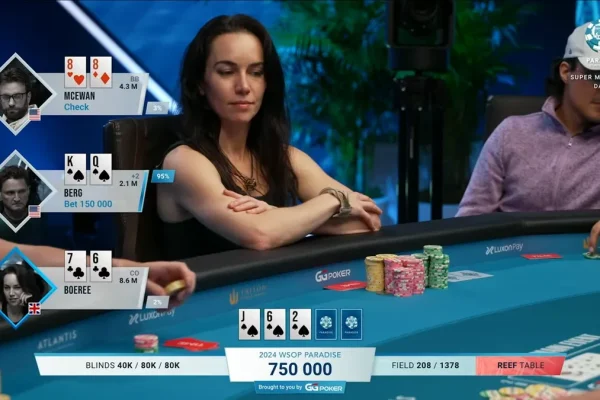


Let’s be honest. At the highest levels of poker, everyone knows the math. Everyone has studied the ranges. The technical edge is razor-thin. So, what separates a champion from the rest of the field when the buy-in is six figures and the pressure is a physical weight on your chest? It’s not just the cards. It’s the mind.
The modern poker pro isn’t just a gambler; they’re a cognitive athlete. Their performance hinges on a complex interplay of focus, emotional regulation, decision-fatigue resistance, and raw processing speed. And just like any elite athlete, they need a training regimen. Not for their body, but for their brain. Here’s the deal on building that mental edge.
The Cognitive Demands of the Felt
Before we dive into the training, it’s crucial to understand the battlefield. A high-stakes session is a marathon of intense, sprints. You’re tracking multiple opponent tendencies, calculating implied odds in real-time, managing your own table image, and all while suppressing the primal urge to react to a bad beat. It’s… exhausting.
The core cognitive skills—the ones that can be trained, honestly—break down into a few key areas:
- Working Memory & Processing Speed: Holding multiple variables in your head and updating them as new information arrives. Think of it like your mental RAM.
- Emotional Regulation (Tilt Control): The big one. The ability to decouple emotional response from logical decision-making.
- Sustained Focus & Attention: Maintaining laser-like concentration over 8, 10, 12 hours, noticing micro-expressions or betting timing tells.
- Decision Fatigue Management: Your ability to make high-quality decisions doesn’t deplete as quickly.
- Mental Endurance: The overall stamina to perform all of the above, day after day, in a high-stress environment.
Building Your Cognitive Training Regimen
Okay, so how do you train this stuff? You can’t just lift weights for your prefrontal cortex. Well, not literally. A good regimen mixes dedicated brain training, lifestyle foundations, and on-the-felt mental drills.
1. Dedicated Brain Training Tools
Sure, there are apps. But the key is targeted practice. Don’t just play random games.
| Cognitive Skill | Training Tool Example | Poker Application |
| Working Memory | Dual N-Back tasks, memory matrix games | Remembering opponent action sequences across multiple hands |
| Processing Speed | Speed-based pattern recognition games | Quickly calculating pot odds and equity in complex spots |
| Flexible Thinking | Brain training games that require task-switching | Adapting your strategy as table dynamics shift abruptly |
The trick is consistency—maybe 15-20 minutes daily, off the tables. Treat it like brushing your teeth for your brain.
2. The Foundation: Sleep, Nutrition, and Movement
This isn’t sexy, but it’s everything. You can’t out-train a bad lifestyle. Cognitive decline from poor sleep is a bigger leak than any minor strategic error.
- Sleep: Non-negotiable. It’s when your brain consolidates learning and clears metabolic waste. Pros prioritize sleep hygiene like it’s part of their bankroll management.
- Nutrition: Stable blood sugar equals stable mood and focus. Think slow-release carbs, healthy fats, and protein. That mid-session sugar crash is a tilt monster waiting to happen.
- Movement & Exercise: Cardio isn’t just for the heart. It boosts BDNF (Brain-Derived Neurotrophic Factor), essentially fertilizer for your brain cells. Even a 20-minute walk before a session can dramatically sharpen focus.
3. Mindfulness and Tilt Simulation
Meditation isn’t just for zen masters. For a poker pro, it’s targeted reps for the “observing self.” The part of you that can notice you’re getting angry without becoming the anger. A daily mindfulness practice—even 10 minutes—builds the muscle of detachment.
And then there’s active tilt training. This is a powerful one. Review hands where you tilted. Relive the emotion. And then, in a calm state, re-script the correct decision. You’re creating a neural pathway so that next time the storm hits, your brain has a familiar, calm route to take.
Integrating Training with Play
Regimens can feel artificial if they stay in a lab. The real test is at the table. Here’s how to bridge the gap.
- Pre-Session Rituals: A 5-minute breathing exercise to activate the parasympathetic nervous system (the “rest and digest” mode). It sets a tone of calm control.
- In-Game Check-Ins: Set a silent timer for every 30 minutes. When it vibrates, ask: “Is my focus here?” “Is my posture tense?” It’s a reset button.
- Post-Session Reviews (The Mental Part): Don’t just review hand history. Review your mental state. “When did my focus dip?” “What triggered that moment of frustration?” Journal it. Patterns emerge.
The Hidden Hurdle: Ego and Identity
Here’s a slightly awkward truth. A major cognitive block for many talented players is ego. The identity of being “the smartest player at the table” can be a huge liability. It leads to confirmation bias, to dismissing tells that contradict your read, to playing down to opponents you deem inferior.
Part of cognitive training is cultivating intellectual humility. It’s the willingness to be wrong. To approach each hand, each session, with curiosity rather than a need to be right. This might be the hardest drill of all.
Putting It All Together
So what does a week in the life of a cognitively-aware pro look like? It’s messy, honestly. It’s not a perfect symmetry. Some days the meditation gets skipped. Sometimes you eat the damn candy bar. But the framework is there, providing structure.
It’s morning cardio. It’s a brain-training app with your coffee. It’s a pre-session breathing ritual at the casino. It’s the in-game check-ins. And it’s the post-session reflection, not just on the hands, but on the mind that played them.
The final card to play is this: the game is evolving. The players treating their mental game with the same rigor as their GTO studies are the ones finding that extra 1%, that invisible edge. In a world of near-perfect information, the last frontier isn’t in the software—it’s in the wet, weird, wonderful hardware between your ears. And that, you know, is something you can actually work on.