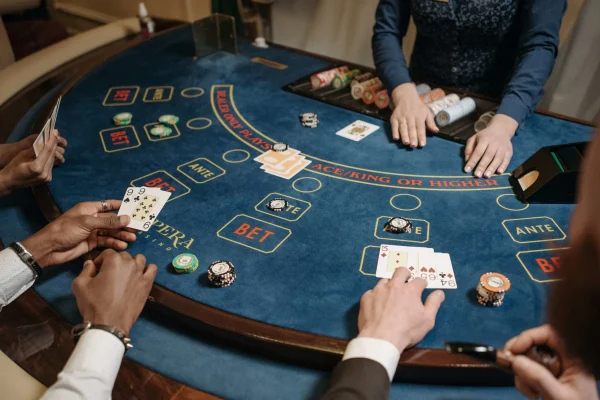


Think of a high-stakes casino scene in an Asian film. Chances are, you’re picturing a baccarat table. Not the raucous energy of craps or the solitary focus of poker, but that quiet, intense, almost ritualistic green felt arena. There’s a reason for that. Baccarat isn’t just a game in Asian storytelling—it’s a loaded symbol, a cultural shorthand with a history as rich as the stakes on the table.
From European Salons to Eastern Icon: A Brief Cultural History
Honestly, baccarat’s journey is fascinating. It arrived in Asia, particularly Macau, via European traders and colonizers. But here’s the deal: it didn’t just stay a foreign pastime. It was absorbed and transformed. The game’s simplicity—betting on Player, Banker, or Tie—and its aura of aristocratic elegance resonated deeply. It became, you know, less about loud gambling and more about a test of nerve, intuition, and fate. In a cultural context that often values subtlety, restraint, and reading the room, baccarat fit perfectly. It became the game of choice for the high-rollers, the tycoons, and the underworld figures, creating a potent blend of luxury, danger, and destiny.
Why Baccarat? The Allure of Luck and Ritual
Unlike poker, baccarat minimizes skill. The rules are rigid; the cards fall where they may. This surrender to chance taps into deep-seated cultural concepts like ‘ming’ (fate, destiny) and ‘feng shui’. Players develop elaborate rituals—blowing on cards, tapping the table, following specific seating patterns—to court luck. This isn’t just superstition in the narratives; it’s a character’s dialogue with the universe. The baccarat table becomes an altar to fortune itself.
Baccarat on the Silver Screen: More Than Just a Game
Let’s dive into cinema. In film, baccarat is never just background. It’s a narrative engine.
In Wong Kar-wai’s 2046, the game is a metaphor for elusive love and chance encounters. The tense, smoky atmosphere around the table mirrors the characters’ emotional gambles. The cards are as unpredictable as the human heart.
Then you have the gangster epic, like the God of Gamblers series or Infernal Affairs. Here, baccarat symbolizes power, control, and massive, life-altering stakes. Winning or losing isn’t about money; it’s about territory, face, and survival. The quiet of the table contrasts violently with the consequences of the play.
And modern hits like Crazy Rich Asians used baccarat brilliantly. That scene isn’t about gambling at all, is it? It’s a social and psychological showdown. It’s about heritage, class, and a mother testing her son’s partner in the most high-pressure, culturally-coded setting imaginable.
| Film | Role of Baccarat | Symbolic Meaning |
| God of Gamblers (1989) | Climactic showdown | Ultimate test of skill & luck; masculine prowess |
| 2046 (2004) | Recurring social setting | Fate, romantic chance, memory |
| Crazy Rich Asians (2018) | Mother-son girlfriend test | Social warfare, cultural belonging, “face” |
The Page’s Turn: Baccarat in Literature and Folklore
Literature digs even deeper. In novels, the internal monologue of a character at the baccarat table is where the real drama unfolds. We’re privy to their calculations, their fears, their philosophical musings on luck. It’s a moment of pure, distilled character.
You see it in the works of authors like Eileen Chang, who used mahjong and, by extension, games of chance like baccarat, to dissect the fragile social structures and desperate lives in wartime Shanghai. The game becomes a microcosm of a society playing a losing hand against history.
Contemporary crime thrillers and wuxia (martial arts chivalry) stories often use baccarat as a set piece for a different kind of duel. A battle of wits and ‘qi’ (energy) rather than swords. The protagonist “reads” the opponent’s tells and energy flow as much as the cards—a direct link to traditional concepts of perception and inner power.
Key Symbolic Threads in the Stories
- Fate vs. Agency: The core tension. Do characters make their own luck, or are they pawns of destiny? The turn of a card answers that question in the story’s logic.
- Social Stratification: The baccarat pit is a clear border. It separates the elite from the common, the insider from the outsider. Getting a seat is about more than money.
- Moral Decay & Redemption: A classic arc. The descent into addiction at the table, or the one big win that could erase a lifetime of sins. It’s a powerful visual for a character’s spiritual state.
- Cultural Identity in Modernity: The game, a Western import, becomes a stage where traditional values (face, family, fate) clash with modern capitalism’s raw pursuit of wealth.
The Modern Deal: Streaming and Global Crossover
Today, the symbolism is evolving but not fading. With the rise of online casinos and the global popularity of Asian media, baccarat’s cinematic language is being exported. A viewer in Kansas now understands the tension of a baccarat scene in a K-drama because the visual grammar—the close-up on the eyes, the slow deal of the cards—transcends language. It speaks directly to universal nerves about risk and reward.
That said, the deep cultural coding remains. For Asian audiences, it still carries that heavy weight of history, that specific blend of elegance and peril. It’s a symbol that’s both instantly recognizable and endlessly interpretable.
So next time you see that green felt in a film or read about it in a book, look beyond the gamble. See the altar to luck. See the battlefield for social standing. See the quiet, desperate conversation a character is having with their own destiny. The cards are just the medium. The real story is everything that’s being wagered—visible and invisible—on a single, fateful turn.